
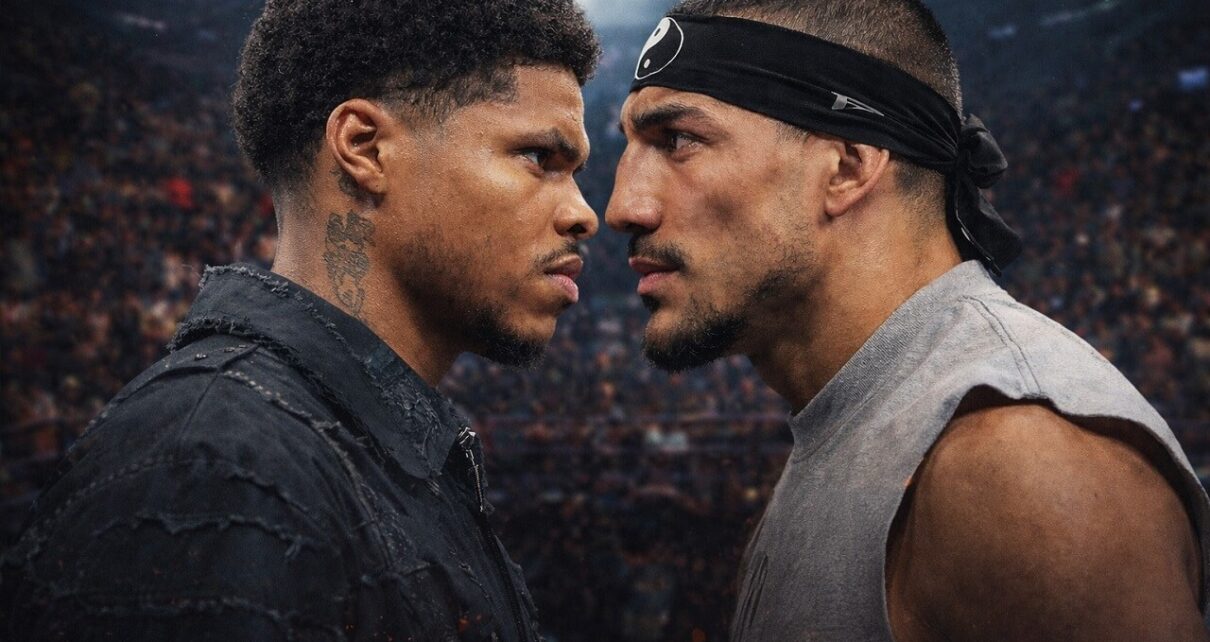
A Shakur Stevenson vs Teofimo Lopez fight lives in gym conversations, not only on social media timelines. One man wins by making opponents swing at air, then punishing small mistakes with clean shots.
The other wins by turning tiny hesitations into momentum swings and highlight moments. As scheduled, the bout is set for January 31, 2026, at Madison Square Garden in New York, with Lopez defending his WBO and Ring junior welterweight titles and Stevenson moving up to 140.
The word “crack” carries more than one meaning in boxing. Here, it means whether Stevenson’s defensive system can remove Lopez’s best offensive lanes and force him into hesitation.
The Stakes And The Hidden Variable – Weight
Stevenson arrives as a southpaw who has spent recent years at lightweight. Lopez enters as an orthodox champion already proven at 140.
Moving up is not only about adding muscle. It changes how fast feet reset after exchanges, how clinches are handled, how easily half steps replace full retreats, and how often combinations can be thrown without losing defensive shape.
View this post on Instagram
Lopez has shown he can manage long, tactical title bouts at 140. Stevenson has shown he can keep accuracy under pressure across 12 rounds. The open question is how Stevenson’s defensive rhythm holds against a naturally bigger and more explosive athlete.
What Each Man Tries To Force
| Category | Shakur Stevenson | Teofimo Lopez |
| Primary Stance | Southpaw | Orthodox |
| Control Method | Distance, lead hand, angle exits | Feints, burst entries, counters, pivots |
| Typical Win Condition | Shrink opponent output, win accuracy battles, collect minutes | Create dramatic moments, disrupt rhythm, bank clean power |
| Recent Example Stats | 295 of 565 landed vs Zepeda at 52.2% | 127 of 574 landed vs Barboza |
| Defensive Reputation Marker | Lowest opponent connect percentage noted by ESPN “By the numbers” | Can stall in low-output chess matches vs slick movers |
What Stevenson’s Defense Really Is
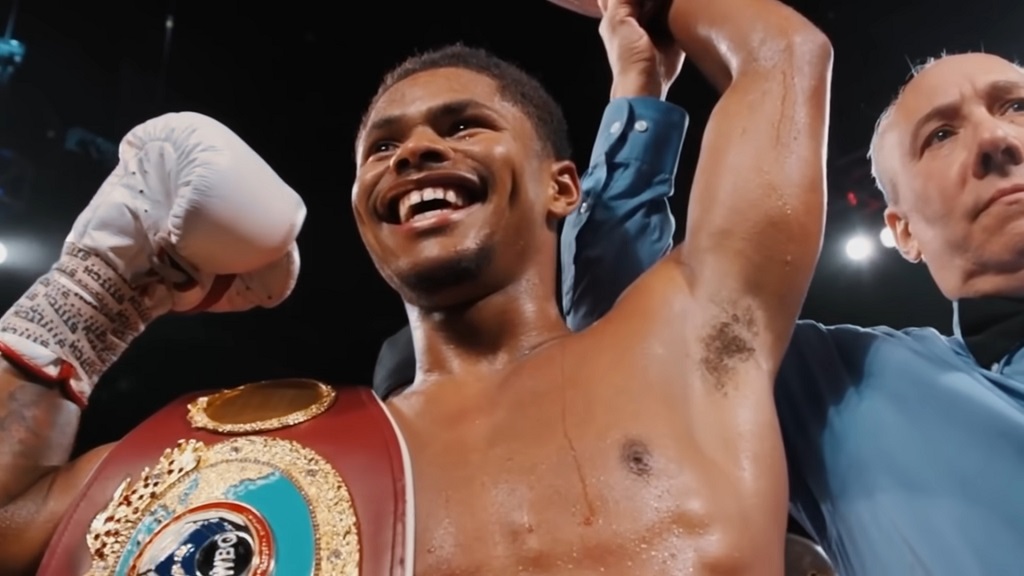
Stevenson’s defense runs on positioning, timing, and small choices that erase clean looks before punches even leave the shoulder.
Range Control Through The Front Hand
Stevenson’s lead hand works constantly. It frames, touches, blocks lanes, and interferes with an opponent’s jab. ESPN coverage has repeatedly pointed to his elite opponent connect metrics.
Lopez often uses his jab as a trigger rather than a pure scoring tool. If Stevenson clutters that trigger, Lopez must build entries differently.
The Half Step And Angle Exit
Stevenson’s half step back, followed by a small angle change, resets exchanges on his terms. Against Edwin De Los Santos, CompuBox reported a historic low of 40 total landed punches across 12 rounds. That number illustrates how few clean looks Stevenson allowed.
Defense That Turns Into Points
Stevenson can counter sharply even at closer range. Against William Zepeda, Stevenson landed 295 of 565 punches at 52.2% while Zepeda landed 272 of 979 at 27.8%.
Stevenson also landed 199 power punches at 55.6%. Such efficiency can discourage repeated pressure.
The Risk Of Quiet Rounds
Low-output rounds can stay close on scorecards. The De Los Santos bout showed how defensive mastery can still create judging anxiety when clean scoring moments stay sparse.
Against a fighter who can steal rounds with one explosive burst, giving away even two close rounds can be dangerous.
What Lopez Brings That Stevenson Has Not Seen In One Package

Here’s how things stand right now:
Burst Entries Off Feints
Lopez thrives when a feint causes a freeze. That freeze opens his doorway to attack. Against Arnold Barboza Jr., Lopez landed 127 of 574 punches while Barboza landed 71 of 426.
Lopez still controlled exchanges and won widely. Stevenson’s defense avoids freezes. Lopez’s offense manufactures them anyway.
Counter Timing On Predictable Exits
Lopez times predictable exits with right hands and hooks. Stevenson often slides out and resets. Repeating exits invites timing traps. Varying exits forces Lopez to spend more rounds collecting data.
Adaptability At Championship Level
Lopez’s fight with Josh Taylor showed his ability to raise activity when committed. CompuBox reported Lopez averaged 43 punches thrown per round compared to Taylor’s 23. That shows he can mix discipline with aggression.
Warning Sign Against Slick Southpaws
ESPN coverage of Lopez vs Jamaine Ortiz described a low-drama fight where Lopez struggled to look dynamic. Stevenson, a slick southpaw with a steadier base, could create similar frustration.
Southpaw Geometry Vs Orthodox Explosiveness
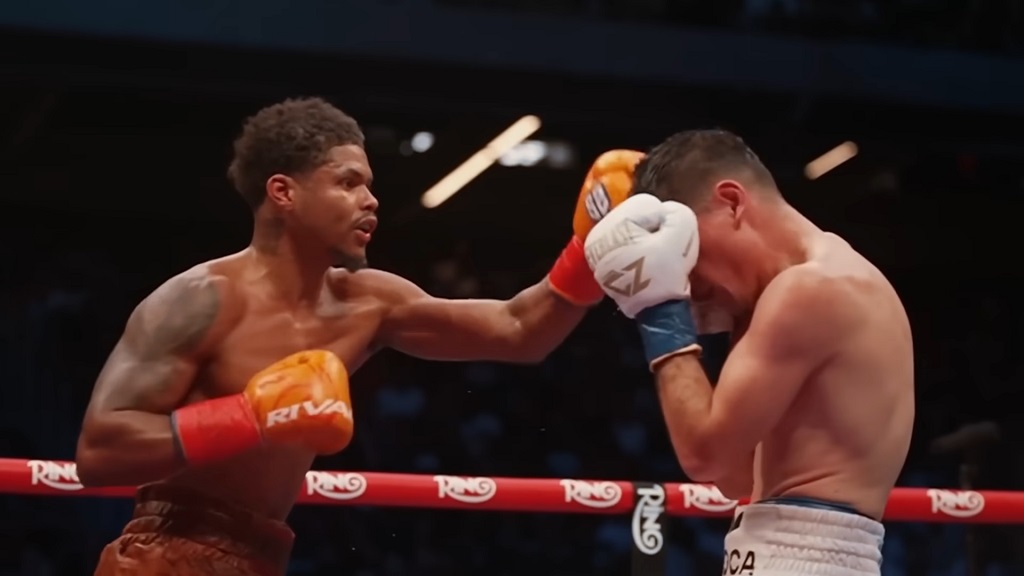
Southpaw vs orthodox bouts often hinge on feet and lead hands.
Lead Foot Battle
Stevenson aims to keep his lead foot outside Lopez’s, opening his left-hand lane and closing Lopez’s right. Lopez seeks the opposite. Stevenson often wins early by refusing poor positions. Lopez can gain ground later once patterns form.
Jab And Counter Jab
Stevenson’s jab scores clean. Lopez’s jab triggers entries. If Stevenson lands consistently while slipping counters, Lopez faces a points trap. If Lopez times the jab and counters to head or body, Stevenson faces damage risk.
Realistic Scoring Lanes
Lopez can score to the chest, shoulder, and body, disrupting balance and slowing exits. Stevenson punishes wide entries with straight left counters and angle steps. Zepeda’s fight numbers support Stevenson’s ability to stay accurate under pressure.
What Recent Numbers Suggest
CompuBox data frames Stevenson’s defensive identity. ESPN “By the numbers” cited Stevenson as having the lowest opponent connect percentage at the time of the preview.
BoxingScene noted the 38-year CompuBox record of only 40 landed punches by De Los Santos across 12 rounds. Against Zepeda, Stevenson landed 295 of 565 at 52.2% and 199 power punches at 55.6%.
Lopez’s Barboza fight showed 127 of 574 landed while controlling rounds. Lopez also raised activity against Taylor with 43 thrown per round. Those numbers suggest Stevenson’s defense can suppress volume while Lopez can still adjust pace.
Defining “Crack” In Practical Terms
A practical definition focuses on whether Stevenson can:
- Remove Lopez’s best lanes and cause hesitation
- Score steadily enough to build a points gap
- Avoid giving away swing rounds decided by one burst
- Force Lopez into frequent resets
If yes, Stevenson’s defense effectively “cracks” Lopez’s offense by breaking its rhythm engine.
Key Battles That Decide The Fight
The fight often turns on a handful of technical exchanges that decide space, tempo, and confidence long before the scorecards ever come into play.
Center Ring Ownership
Stevenson’s defense works best with space behind him. Lopez grows dangerous when he pushes opponents to the ropes and times his exits. Stevenson emphasized rope discipline after the Zepeda bout. Control of the center ring slows Lopez’s explosiveness.
Early Body Work
Lopez can invest in the body early. He must jab to the chest, feint high, and shoot the right with the head off the center. Bending straight down invites Stevenson’s straight left counter.
Stevenson’s Output Discipline
Low output invites close rounds and stolen moments. De Los Santos’ CompuBox record showed how sparse fights can shift optics. Against Lopez, steady scoring becomes essential.
Patience Vs Traps
Both men prefer to counter. Early rounds can look like waiting games. Stevenson can win by jabbing and stepping out. Lopez can accept early losses while storing timing data for later bursts.
Three Plausible Fight Scripts
The fight can unfold in a few clear directions, shaped by pace, positioning, and who controls the key moments.
Script A: Stevenson Wins A Technical Decision
Stevenson controls lead hand exchanges, keeps Lopez off ropes, and builds a points lead through jabs, straight lefts, and quick exits. Zepeda’s numbers support Stevenson’s ability to keep elite accuracy over 12 rounds.
Script B: Lopez Steals Swing Rounds
Stevenson controls long stretches, while Lopez lands louder shots late in rounds. Judges often remember dramatic finishing moments. Lopez’s Barboza performance supports his ability to win rounds by timing clean moments.
Script C: Weight Turns The Fight Physical
At 140, Stevenson’s feet could slow late if Lopez invests in body work. Lopez can increase output, as shown against Taylor, and force more clinches and inside exchanges.
Summary
Stevenson’s defense can neutralize large portions of Lopez’s offense, especially early. Recent CompuBox data supports how rarely he gets hit clean and how often he punishes entries.
Lopez’s path remains narrow yet real: invest in body work, win rope battles, and steal swing rounds through timed bursts. His title run at 140 shows he can mix control with discipline.
If Stevenson pairs defense with steady scoring, his style can turn Lopez into a hesitant, reset-heavy fighter who struggles to find repeatable offense. If Stevenson’s output drops and rounds stay quiet, Lopez owns the athletic tools to flip momentum with a few explosive sequences.