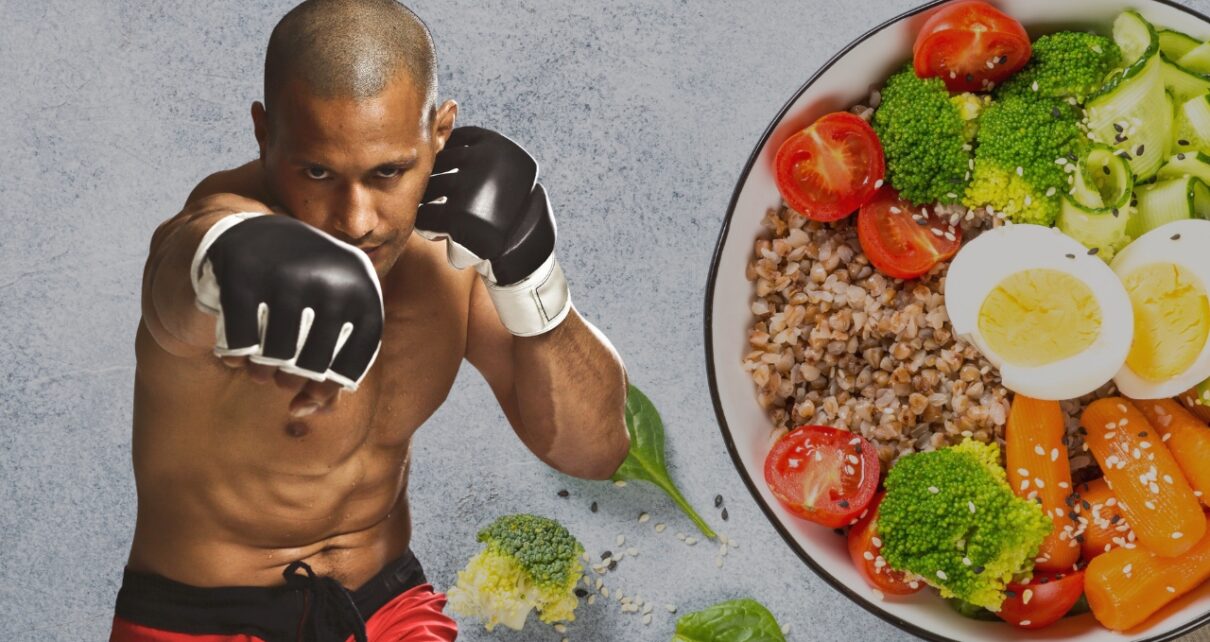
Before boxing, the best foods are simple carbs with a small to moderate amount of protein, eaten early enough that they do not sit heavily in your stomach. In real terms, that means meals like oatmeal with banana and honey 2 hours before training, white rice with chicken 3 hours before sparring, or a bagel with jam and Greek yogurt 60 to 90 minutes before class.
Foods to avoid are the ones that commonly ruin sessions: fried chicken and fries, greasy burgers, huge cheese meals, very spicy food, heavy cream sauces, or a protein shake with too much peanut butter right before training.
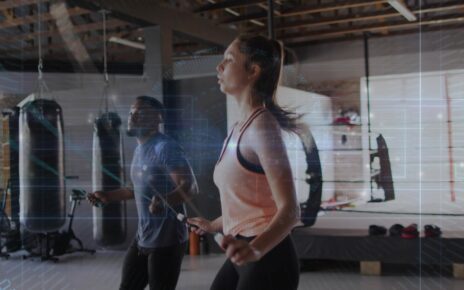
This matters because boxing punishes bad food choices fast. If you eat too little, round 4 can feel like round 10. Your legs get heavy, your hands stop coming back quickly, and your footwork slows down. If you eat the wrong thing, you can feel it in your stomach during jump rope, bag rounds, body shots, and conditioning circuits.
A boxer who eats a banana and oats before training will usually feel very different from one who shows up after six hours without food or after eating pizza 45 minutes before mitt work. Good pre-boxing food is not about eating “clean.” It is about showing up with fuel you can actually use.
The Main Rule: Match the Meal to the Clock

The biggest mistake most people make is eating the same way regardless of timing. A full bowl of oatmeal with fruit and yogurt can be excellent 2 hours before boxing and a terrible idea 20 minutes before boxing.
A rice and chicken meal can work beautifully at 3:30 p.m. for a 6:30 p.m. sparring session, and feel awful if eaten at 6:00 p.m. for a 6:45 class.
The closer you are to boxing, the smaller and simpler the food usually needs to be. With more time, you can eat a more complete meal.
With less time, you need something lighter and easier to digest. That is why the best pre-boxing food changes with the schedule, not just the ingredient list.
What to Eat 3 to 4 Hours Before Boxing
If you have three to four hours before training, this is the best window for a proper meal. This is where you can eat real food, not just a snack. You want a meal that is mostly carbohydrate, includes some lean protein, and does not go too heavy on fat. For a lot of boxers, this is the easiest window to get right.
A few meals that work well here are white rice with grilled chicken and a small serving of cooked vegetables, pasta with lean turkey mince and tomato sauce, potatoes with eggs and toast, or oatmeal with banana, honey, and Greek yogurt if you prefer breakfast-style food.
These meals work because they give actual fuel without turning into a brick in your stomach. White rice, potatoes, pasta, oats, toast, and fruit are easy ways to build the carbohydrate side. Chicken, turkey, eggs, tuna, yogurt, or cottage cheese handle the protein side.
A good example is an evening boxer training at 7:00 p.m. If lunch was light or early, a proper meal around 3:30 or 4:00 p.m. can make the whole session feel different. Rice, chicken, and fruit at that time will usually support hard bag work and conditioning much better than trying to survive on caffeine until class starts.
General sports nutrition guidance supports this kind of pre-session fueling pattern, especially when exercise intensity is high.
What to Eat 90 Minutes to 2 Hours Before Boxing
This is one of the most useful windows for most people because it is close enough to matter, but still gives your stomach time to settle. Here, you usually want a lighter meal or a more substantial snack. This is where foods like oats, toast, bagels, cereal, fruit, and yogurt tend to shine.
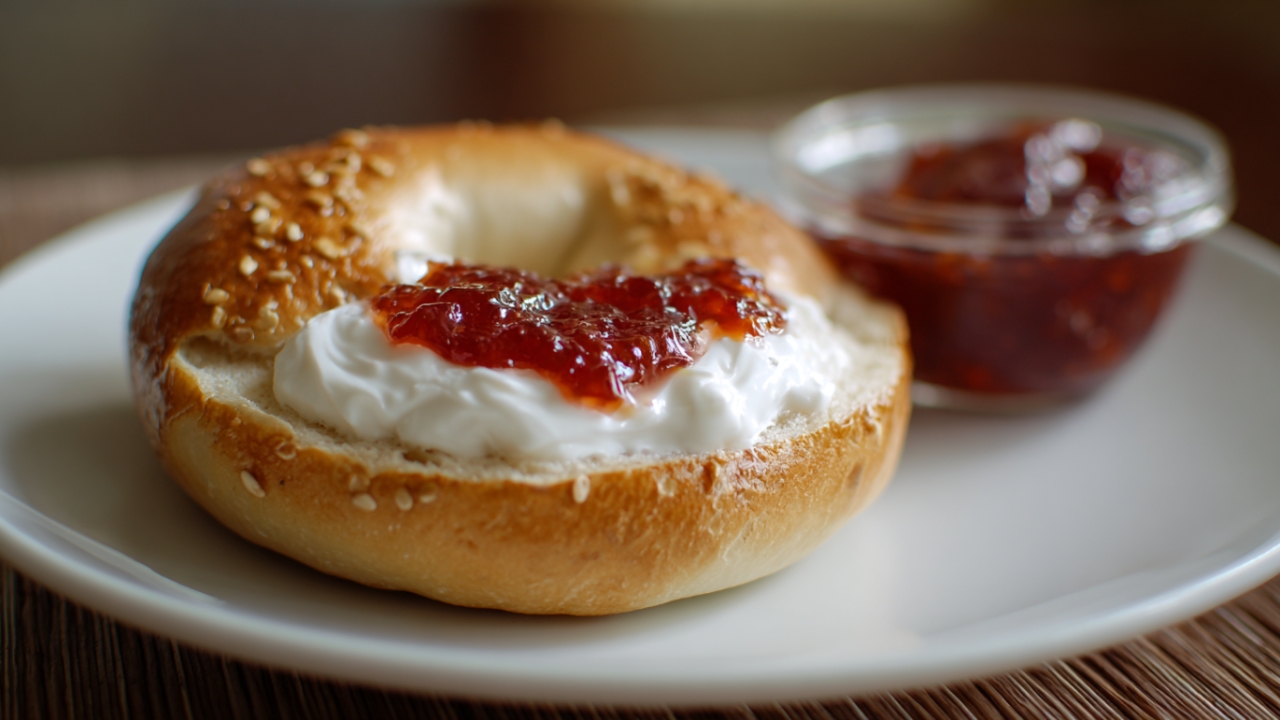
Good examples include a bagel with jam and Greek yogurt, oatmeal with banana and honey, cereal with milk and a banana, a turkey sandwich on white bread, or toast with eggs and fruit. These are especially useful before regular boxing classes, pad work, technique sessions, and moderate conditioning.
A boxer training at 6:30 p.m. might eat a sandwich and fruit at 4:45 or 5:00 and feel properly fueled without feeling full.
This window is where many people make a “healthy but wrong” choice. For example, a massive salad with beans, seeds, avocado, raw veg, and oily dressing may be full of nutrients, but before boxing it, it can be too bulky, too fibrous, and too slow to digest. The issue is not that the meal is unhealthy.
The issue is that it is a poor fit for jumping, rotating, bracing, and getting hit in the body. Pre-exercise guidance consistently notes that lower-fat and lower-fiber choices are often more practical when exercise is getting close.
What to Eat 30 to 60 Minutes Before Boxing
If you only have half an hour to an hour, stop trying to force a full meal. At this point, your best choice is usually a small, mostly carbohydrate-based snack. Think fuel that gets in and out fast.
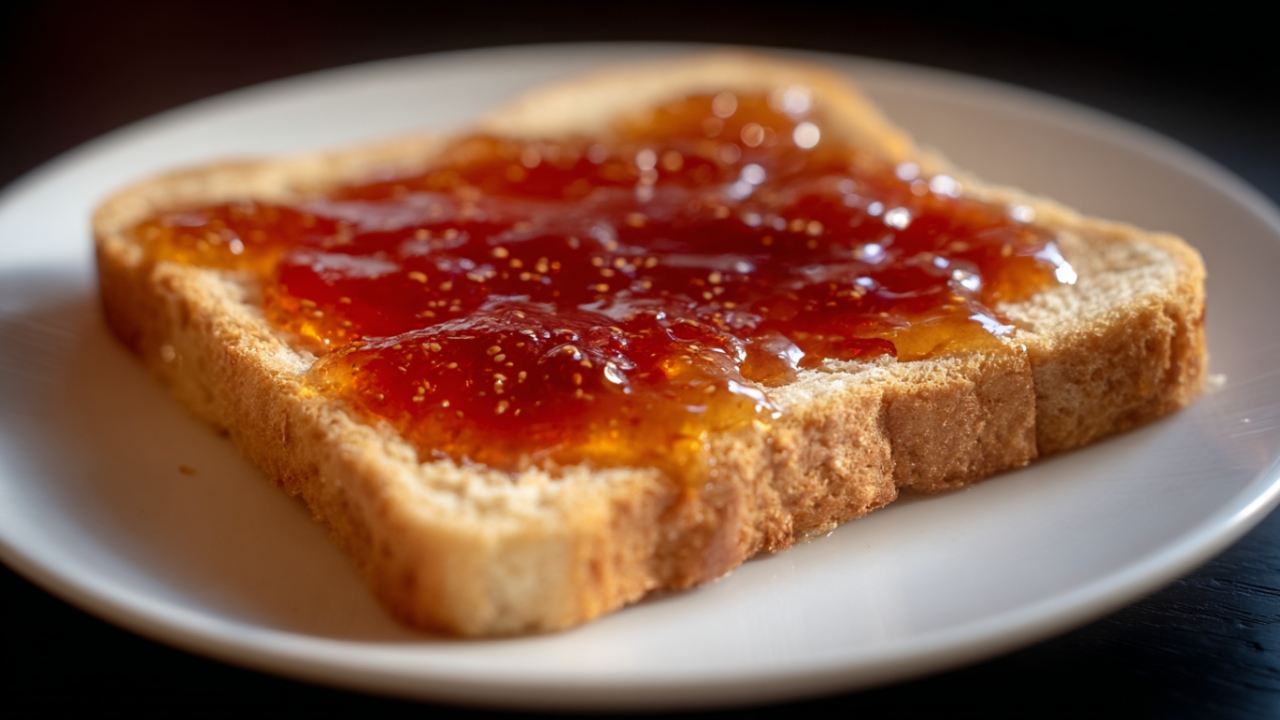
The best real options here are a banana, applesauce, toast with honey or jam, a small bowl of dry cereal, half a plain bagel, a fruit puree pouch, or a sports drink if you tolerate it well. These foods are simple, easy to carry, and usually far less risky than trying to cram in protein or fat at the last minute.
This is also where people often overdo protein shakes. A light shake can work for some people, but not when it turns into a blender full of milk, oats, peanut butter, yogurt, protein powder, flax, chia, and banana.
That kind of shake is no longer a light snack. It is a full meal in liquid form, and a lot of boxers will feel it bouncing around once the warm-up gets serious. Guidance on pre-exercise fueling suggests that if food is eaten close to training, small amounts of easily digested carbohydrate are often the safest choice.
Exact Pre-Boxing Food Examples by Time
Time Before Boxing
What Usually Works Best
Concrete Meal or Snack Examples
What Commonly Goes Wrong
3 to 4 hours
Full meal, high carb, moderate protein, low to moderate fat
Rice with chicken, potatoes with eggs, pasta with turkey, oats with yogurt, and a banana
The meal is too greasy, too spicy, or too large
90 minutes to 2 hours
Lighter meal or solid snack
Bagel with jam and Greek yogurt, cereal with milk, turkey sandwich, oats with honey and fruit
Too much fiber, too much cheese, too much peanut butter
30 to 60 minutes
Small carb-based snack
Banana, applesauce, toast with honey, dry cereal, half a plain bagel
Trying to eat a full meal too late
Under 30 minutes
Very small top-up only if needed
Half a banana, fruit pouch, a few crackers, sports drink
Panic eating right before class
Best Foods Before Boxing and Why They Work
View this post on Instagram
The best pre-boxing foods are usually the simplest ones. White rice works because it is easy to digest and provides a lot of carbohydrate without much stomach stress. Oatmeal works because it gives steady energy and is easy to pair with banana, honey, or yogurt.
Bananas work because they are portable, mild, and quick to eat. Toast and bagels work because bread-based carbs are easy to digest for many people and easy to portion based on time.
Potatoes work because they are filling without being greasy. Greek yogurt works because it adds protein without creating the heaviness of a large meat meal. Applesauce and fruit puree work because they are very easy to digest when time is tight.
That is why many boxers keep coming back to “boring” meals. Rice, oats, bananas, toast, cereal, yogurt, eggs, fruit. These foods are not glamorous, but they work. In combat sport training, repeatable food usually beats fancy food.
A boxer is better off with the same reliable pre-training meal three times a week than with random meals that look good online but leave them flat in the gym. Research on nutrient timing supports this broader idea that practical, tolerated pre-exercise feeding matters more than chasing novelty.
Concrete Meal Ideas for Different Boxing Schedules
If you train at 7:00 a.m. and cannot stomach a real breakfast, a banana and drinkable yogurt at 6:15 is far more realistic than trying to eat eggs, oats, toast, and fruit all at once. If you have a little more time, oatmeal with honey and banana around 5:30 or 6:00 is a stronger setup.
If you train after work at 6:30 p.m. and lunch is at 1:00 p.m., do not arrive with just coffee in your system. A much better plan is a bagel with jam and Greek yogurt around 5:00 p.m., or a turkey sandwich and fruit around 4:45 p.m. That usually keeps energy steadier through drills and conditioning.
If you have sparring at noon on Saturday, breakfast around 8:30 or 9:00 might be rice and eggs, oatmeal and banana, or toast with eggs and fruit. Then, if needed, a small snack around 11:00, such as a banana or applesauce, can help top things up. This tends to work far better than sleeping late, skipping breakfast, and then trying to spar on empty.
Good Pre-Boxing Meals for Real Training Days
Training Time
Good Pre-Boxing Setup
Why It Helps
7:00 a.m. class
6:15 a.m. banana and yogurt, or 5:45 a.m. oats with honey
Easy to digest, realistic for early mornings
12:00 p.m. sparring
8:30 to 9:00 a.m. oats and fruit, or rice and eggs; 11:00 a.m. banana if needed
Builds energy early, avoids a heavy stomach at noon
6:30 p.m. class
1:00 p.m. lunch, then 4:45 to 5:00 p.m. bagel and yogurt or sandwich and fruit
Prevents arriving hungry after a long workday
8:00 p.m. session
4:30 p.m. rice and chicken, then 6:45 p.m. small fruit snack if needed
Supports longer energy demand without overeating late
What to Avoid Before Boxing
The worst foods before boxing are usually easy to identify because they digest slowly or cause stomach trouble during movement. Fried food is one of the biggest offenders. Burgers and fries, fried chicken, greasy pizza, and heavy takeaway meals often leave people feeling full, sluggish, or slightly sick.
Cream-based pasta dishes and cheese-heavy meals can do the same thing. Very spicy food may trigger reflux once training starts. Big portions of nuts, nut butter, seeds, or oily foods can also be a problem because they slow down digestion.
Very high fiber foods can backfire, too, especially close to training. Beans, bran cereal, giant raw salads, and huge servings of cruciferous vegetables are healthy foods in the bigger picture, but not always smart right before boxing. A person can eat a perfectly respectable lunch and still regret it once skipping rope and body sparring start.
A few very common bad pre-boxing choices are worth naming clearly:
These choices usually fail for predictable reasons. Either they do not provide usable fuel in time, or they stay in the stomach too long, or both.
That is why pre-exercise advice keeps coming back to the same principles: carbohydrate available, fat moderate to low, fiber lower when time is short, and familiar foods over experimental ones.
Is a Protein Shake Enough Before Boxing

Usually not on its own. A plain protein shake gives protein, but boxing performance depends heavily on carbohydrate availability. If all you have before training is whey in water, you may not have enough quick fuel for hard rounds, pad work, or conditioning. A better option is whey plus a banana, or a smoothie with fruit and oats, or yogurt with cereal.
That way, you are not just feeding muscle repair. You are also giving your body fuel that it can actually use in the session.
That said, liquid nutrition can help people who train early or get nervous before sparring. Some boxers genuinely do better with a light smoothie than a solid meal. The key is keeping it simple. Banana, milk or yogurt, maybe a little oats, maybe a scoop of protein.
Not a thousand-calorie blender bomb right before training. ISSN nutrient timing guidance supports combining carbohydrate with protein when appropriate, but not replacing pre-exercise carbohydrate needs entirely with protein.
Hydration Before Boxing
Hydration is not just a side detail. A boxer who starts training already dehydrated usually feels worse by the middle of the session, especially in hot gyms or hard sparring blocks. General hydration guidance from ACSM recommends beginning pre-exercise drinking several hours before activity.
One common guideline is around 5 to 7 mL of fluid per kilogram of body weight, about 4 hours before exercise. For a 70 kg athlete, that works out to about 350 to 490 mL. If urine is still dark or minimal, more fluid is usually needed before the session starts.
In normal gym terms, this means do not wait until the warm-up to start drinking water. Drink throughout the day. Have some fluid with the pre-training meal or snack. If the gym is hot or you sweat heavily, think about hydration earlier, not later.
For most sessions under an hour, water is fine before training. For longer or harder sessions, especially in heat, fluids with carbohydrate and electrolytes may help more. ACSM guidance notes that sports drinks containing carbohydrate and electrolytes can help maintain blood glucose and reduce dehydration risk during exercise.
Morning Boxing: What Actually Works When You Have No Appetite
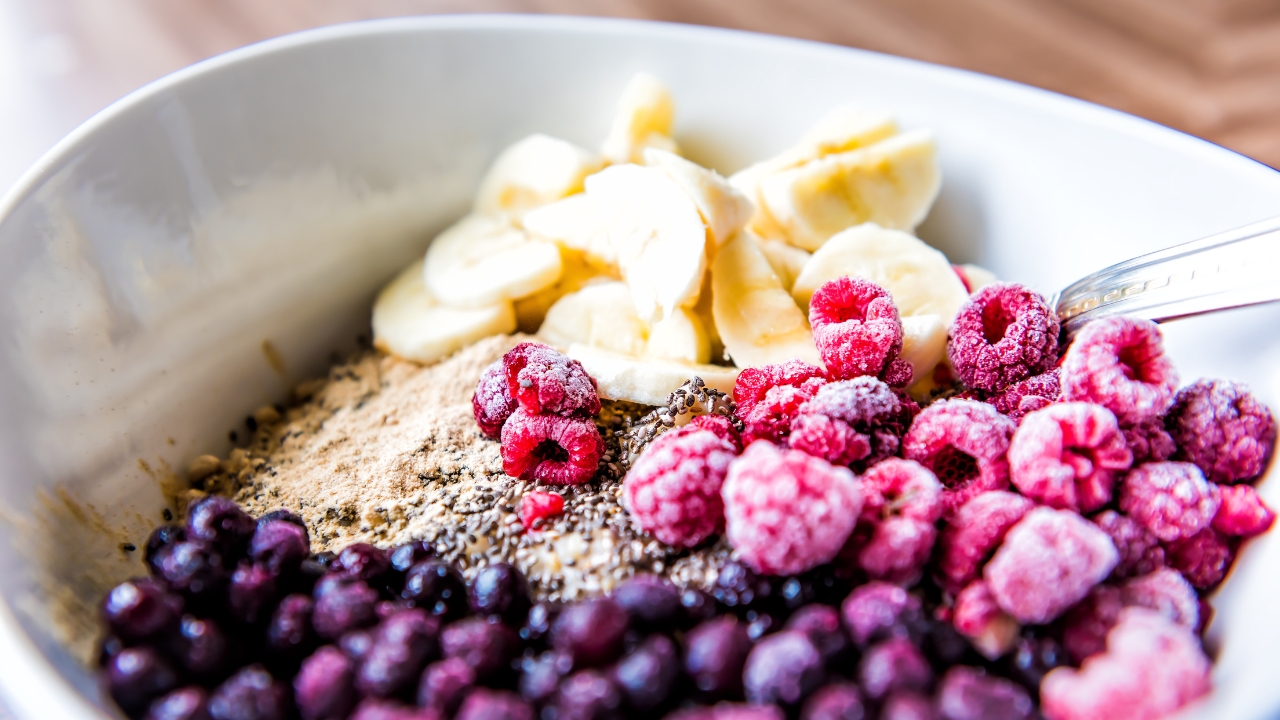
Morning boxers often struggle because they know food helps, but they wake up not wanting to eat. The practical answer is not to force a giant breakfast. It is to scale the meal to what you can tolerate.
A banana. Applesauce. A yogurt drink. A small bowl of oats. Toast with honey. These are usually enough to improve how training feels without making you nauseous.
This matters because fasted training is not automatically better just because it feels lighter at first. Some people tolerate fasted technical work, but many feel worse during hard rounds or conditioning. If your morning sessions regularly feel flat, shaky, or empty, a lack of fuel is one of the first things to fix.
Combat sport athletes are also at risk when chronic underfueling becomes normal, especially when weight control is in the background.
If You Are Trying to Lose Weight
This is the one place where generic advice stops being enough. A boxer who is cutting weight for competition may have different pre-training needs from a recreational boxer just trying to feel good in class.
Combat sport reviews note that weight reduction strategies can affect performance and safety, especially when dehydration or aggressive restriction is involved.
If you are actively making weight, the basic ideas in this article still help, but the details should be individualised with a qualified sports dietitian or an experienced fight team.
The Most Useful Way to Get This Right
@theboxingnutritionist What To Eat Before Sparring 🥊🥞 Sparring sessions are the most intense sessions of a boxers training week. And ultimately the one where you learn the most from. You need to be switched on & fuelled otherwise it’s pointless & dangerous. If you’re going to eat more calories it’s got to be on this day over any other day. Time & time again I see boxers going into spars fasted or low on energy. This has got to stop. Try these simple tips to dominate your next spar ⬇️ 👉High Carb Meal The Night Before 👉High Carb Breakfast Morning Of 👉High Carb Top Ups Just Before 👉Opt For Multitransportable Carb Sources 👉Keep Fats & Fibre Lower To Aid Digestion 👉Trial Meals For Fight Day Whenever I’d spar I’d eat 4-5 hours before something high in carbs, moderate in protein & low in fat. Then I’d follow it up with some easy to digest high carb snacks & fluids to make sure I’m feeling fuelled & strong. A sample day of eating may look like ⬇️ 🥞Protein Pancakes & Fresh Fruit 🍚Chicken Rice Stir Fry 🍌Banana & Honey Yogurt Bowl 🥥Coconut Water & Energy Chew 🥊Sparring Session 🥛Recovery Drink (Smoothie/Milk) 🥩Steak & Potatoes & Veg This is how I’d go about structuring the day. Use the tech days to focus on weight loss and strategic eating & fuel those spars with intent. Dominate your fight camps. #theboxingnutritionist#boxing#boxinglife#boxingtips#nutrition#fightcamp#sparringfuel#fightcampnutrition#amatuerboxing#proboxing#nutrition ♬ original sound – TheBoxingNutritionist
The best pre-boxing strategy is not perfection. It is consistency. Find two or three meals and two or three snacks that your stomach handles well, and that fit your schedule. Use them again and again.
For example, you might learn that oats and bananas work perfectly 2 hours before training, that a turkey sandwich works well after work, and that applesauce is your safest last-minute option. Once you know that, pre-boxing nutrition stops being random.
That is the concrete answer. Before boxing, eat carbs you can digest, add some protein, keep fat and fiber lower as training gets closer, and do not leave hydration until the last minute.
In real meals, that means rice and chicken three hours before sparring, a bagel with jam and yogurt ninety minutes before class, or a banana and applesauce when time is short.
Avoid greasy takeaway, heavy cheese meals, huge nut butter shakes, and very spicy food right before training. Those are the choices most likely to leave you slow, heavy, and flat when the bell goes.