

Joint health has gained major attention as sedentary routines increase and populations continue to age.
Mobility limitations and chronic joint discomfort now affect a wider range of adults, not only seniors.
Inflammatory processes drive many joint-related conditions, including osteoarthritis and rheumatoid arthritis, resulting in:
- Stiffness
- Pain
- Reduced range of motion
Nutritional strategies combined with targeted supplementation provide an effective path toward protecting joint tissue, maintaining flexibility, and supporting long-term mobility.
Let’s check an anti-inflammatory diet that will help you with these things.
Anti-Inflammatory Dietary Foundation
Anti-Inflammatory diet principles focus on lowering chronic inflammation while supporting structural integrity inside joints. Daily food choices influence inflammatory signaling, cartilage resilience, and long-term mobility.
Nutritional consistency creates a physiological environment where joints experience less stress and recover more efficiently.
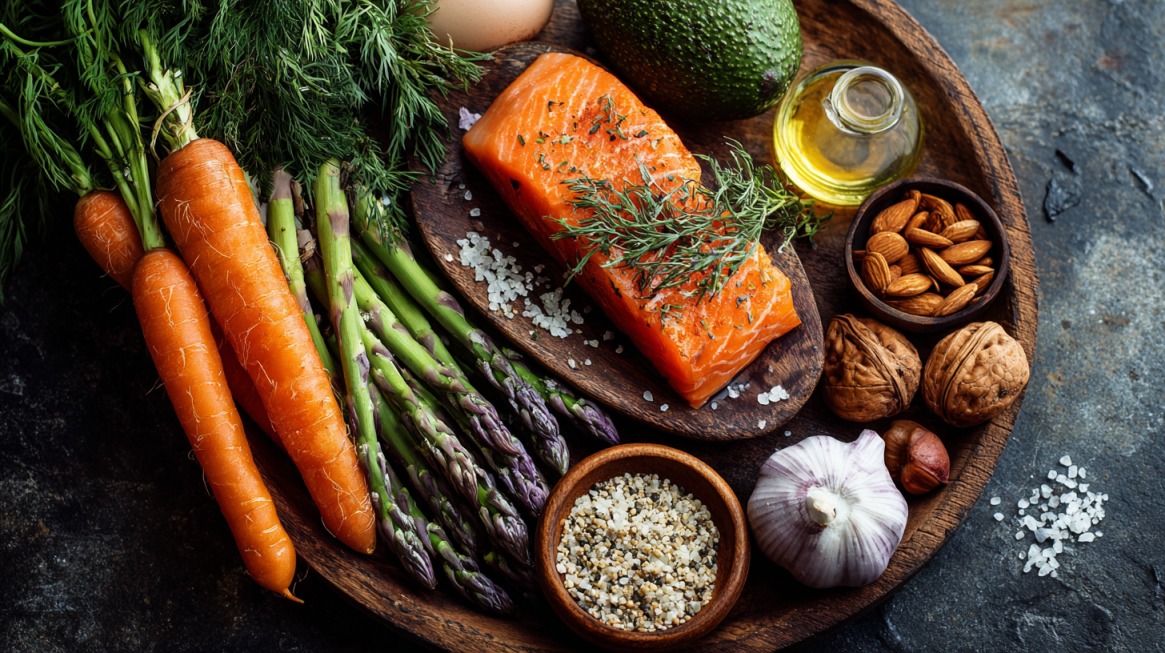
Why Anti-Inflammatory Eating Matters
Chronic inflammation accelerates cartilage breakdown and worsens joint degeneration over time. Anti-Inflammatory diet patterns reduce inflammatory markers linked to swelling, pain, and stiffness.
Cleaner food selection supports body weight regulation, which directly reduces mechanical pressure on knees, hips, and ankles.
Joint preservation improves when the inflammatory load and excess body mass decrease together.
- Lower production of pro-inflammatory cytokines associated with cartilage erosion
- Reduced oxidative stress inside the synovial tissue
- Improved insulin sensitivity that limits inflammation-driven tissue damage
Anti-Inflammatory diet adherence also supports muscle efficiency and connective tissue strength, helping joints absorb impact more effectively during movement.
Key Foods to Include
Food selection plays a direct role in regulating inflammatory pathways and structural repair processes. Anti-Inflammatory diet strategies prioritize nutrients that protect cartilage and support collagen production.
Omega-3 rich foods such as salmon, mackerel, and flaxseeds support anti-inflammatory signaling pathways that protect joint structures.
Leafy greens and cruciferous vegetables like spinach, kale, and broccoli supply antioxidants, including sulforaphane, which counter oxidative stress in joint tissue.
Berries and citrus fruits provide vitamin C and polyphenols that support collagen synthesis and connective tissue integrity. Spices such as turmeric and ginger suppress inflammatory cytokines and COX-2 activity, offering natural pain-modulating effects.
- Omega-3 fatty acids reduce inflammatory prostaglandin production
- Antioxidants neutralize free radicals that degrade cartilage
- Vitamin C supports collagen fiber stability inside joints
Anti-Inflammatory diet consistency depends on frequent exposure to these nutrients rather than occasional intake.
Foods to Avoid
@rheum.to.grow.tx 🧐 What Makes Certain Foods Inflammatory? Not all inflammation is bad–it’s the body’s natural response to stress, infection, or injury. But, when it’s occurring past the stopping point and chronically, it can be harmful. Did you know certain foods can actually increase chronic inflammation? Here’s why: 1. Processed Foods: High in refined sugars and unhealthy fats, processed foods trigger inflammation by promoting an imbalance of omega-6 to omega-3 fatty acids. 2. Sugar Overload: Refined sugars spike insulin levels, which can cause increased inflammation in the body. 3. Trans Fats & Refined Oils: Found in fried and packaged foods, these fats cause oxidative stress, a key driver of inflammation. 4. Excess Alcohol: Heavy alcohol consumption can overwhelm the liver, triggering an inflammatory response. 🛑 Limiting these foods and replacing them with whole, anti-inflammatory choices like leafy greens, berries, and omega-3-rich fish can make a big difference in managing inflammation. 📞 Contact Us: 713-903-8224 Rheum to Grow – Integrative Pediatric Rheumatology. ➡️💓https://www.rheumtogrowtx.com #InflammatoryFoods #ChronicInflammation #IntegrativeMedicine #AntiInflammatoryDiet #RheumtoGrow#AutoimmuneDisease #HolisticHealth #IntegrativeMedicine #Rheumatology #HealthJourney #RheumToGrow #InflammationAwareness #HealthyEating #WellnessTips #Houston #Texas #houstonmoms #momtok #arthritistok #jia #arthritisdiet #arthritiscommunity #arthritisfoods #antiinflammatoryrecipes #integrativemedicine #integrativerheumatologist #integrativepediatricrheumatologist #houstonmoms #houstonmom #texasmoms #texasmom #texasmomcommunity #motherhood ♬ original sound – Dr. Saimun Singla
Food choices that promote inflammation place additional stress on joints and accelerate tissue damage over time.
An anti-inflammatory diet structure requires active reduction of ingredients known to disrupt metabolic balance and inflammatory control. Frequent exposure to these foods increases systemic inflammation and weakens cartilage resilience.
Added sugars and refined carbohydrates rapidly elevate blood glucose levels, triggering insulin spikes and inflammatory responses. Persistent glucose instability contributes to cartilage breakdown and worsens joint stiffness.
Common sources include sweetened beverages, pastries, white bread, and packaged snacks that offer minimal nutritional value while amplifying inflammatory signaling.
Red meats, processed meats, and trans fats show strong associations with systemic inflammation and joint degeneration.
Saturated fats and chemical preservatives increase oxidative stress, placing connective tissue under constant strain. Repeated intake interferes with joint lubrication and slows tissue repair processes.
- Elevated blood glucose increases inflammatory signaling that degrades cartilage
- Trans fats disrupt cellular membrane integrity, reducing joint tissue resilience
- Processed meats contribute to oxidative stress accumulation that accelerates degeneration
Anti-Inflammatory diet effectiveness improves when these triggers are intentionally reduced.
Cleaner dietary patterns lower inflammatory load, support cartilage preservation, and create conditions where joints recover more efficiently during daily movement.
Core Supplements for Joint Health in 2026
A diet establishes a foundation, while targeted supplementation addresses structural repair and modulates inflammation. Anti-Inflammatory diet strategies often pair with supplements that support cartilage integrity, joint lubrication, and pain reduction.

Glucosamine and Chondroitin
Glucosamine and chondroitin support cartilage repair, joint cushioning, and long-term structural stability. It is important to say that Glucosamine contributes to cartilage regeneration and glycosaminoglycan production. Chondroitin improves joint lubrication and helps reduce stiffness during movement.
- Reduced joint pain during weight-bearing activity
- Improved range of motion in osteoarthritis cases
- Comparable symptom relief to NSAIDs with fewer side effects
Supplement pairing works best when used daily over extended periods.
Omega-3 Fatty Acids Fish Oil
Omega-3 fatty acids lower the production of inflammatory prostaglandins and cytokines. EPA and DHA reduce morning stiffness, joint swelling, and discomfort, especially in rheumatoid arthritis populations. Consistent intake supports joint comfort and mobility.
- At least 500 mg combined EPA and DHA per serving
- Molecular distillation to remove heavy metals
- Stable triglyceride or re-esterified forms for absorption
Anti-Inflammatory diet benefits increase when omega-3 intake remains consistent.
Curcumin Turmeric Extract
Curcumin targets inflammatory pathways by inhibiting COX-2 activity and reducing oxidative stress. Joint flexibility improves through lowered cytokine activity and reduced tissue irritation.
Early clinical data shows pain relief comparable to NSAIDs.
- Piperine enhances curcumin bioavailability
- Fat-soluble delivery improves uptake
- Standardized extracts ensure consistent dosing
Curcumin works best as part of a broader Anti-Inflammatory diet strategy.
Collagen Peptides
Collagen peptides support cartilage restoration, joint elasticity, and pain reduction.
Type II collagen supports cartilage integrity, type I strengthens bone, and type III assists muscle and vascular tissue.
- Reduced osteoarthritis discomfort
- Improved shock absorption during movement
- Enhanced connective tissue resilience with aging
Regular intake supports gradual structural improvement.
Vitamin D
Vitamin D plays a critical role in calcium absorption and bone density maintenance.
Deficiency correlates with higher rates of joint pain and degeneration. Older adults and individuals with limited sun exposure benefit most due to increased deficiency risk.
- Improved bone mineralization
- Enhanced muscle coordination
- Reduced inflammation-linked pain sensitivity
Vitamin D sufficiency strengthens overall joint support systems.
Boswellia Serrata
Boswellia serrata acts as a natural anti-inflammatory compound by blocking leukotriene synthesis. Regular use shows pain reduction and mobility improvement in osteoarthritis and rheumatoid arthritis.
- Reduced inflammatory enzyme activity
- Improved walking comfort
- Lower stiffness during morning movement
Anti-Inflammatory diet approaches often include Boswellia for plant-based inflammation control.
Supplement Use Considerations and Safety
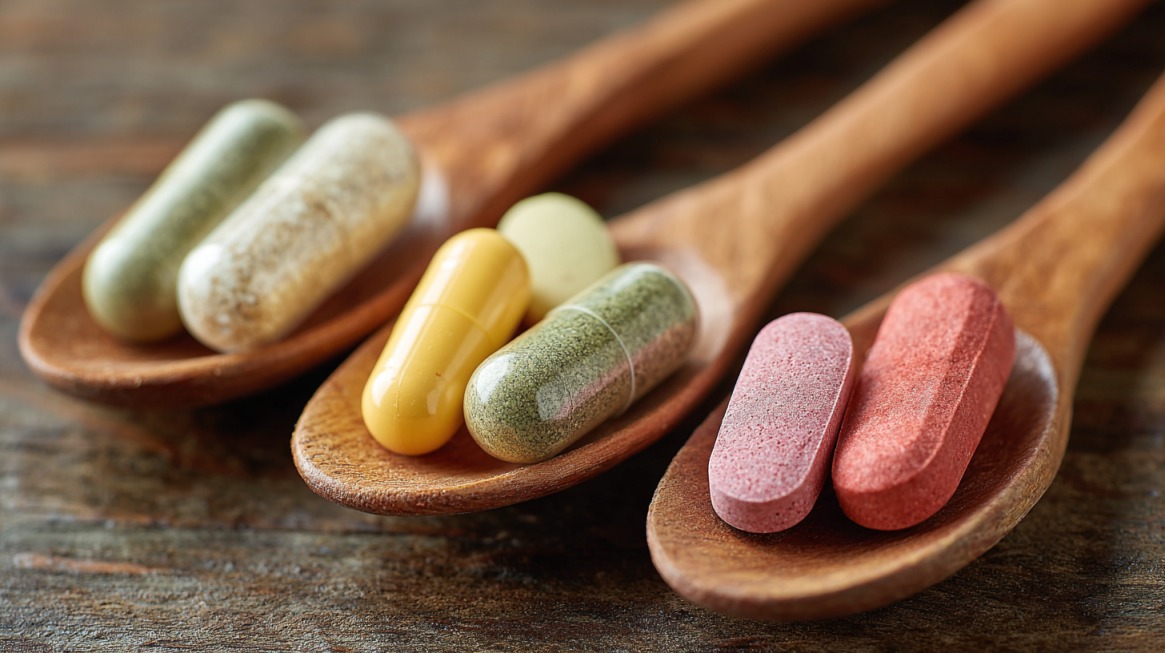
Supplement integration requires attention to quality and individual variability. Anti-Inflammatory diet benefits depend on consistency and proper formulation.
Quality Matters
Supplement effectiveness depends heavily on formulation quality and dosage accuracy. Third-party testing ensures purity, potency, and safety. Bioavailable forms deliver consistent therapeutic effects and reduce variability in results.
- Verified ingredient sourcing
- Transparent labeling
- Clinically relevant dosages
Quality control protects long-term joint health outcomes.
Consultation with Professionals
Individual needs differ based on age, medication use, and existing health conditions. Medical guidance helps prevent interactions and ensures appropriate dosing strategies.
- Drug and nutrient interactions
- Adjustments based on symptom response
- Long-term use considerations
Self-prescribing increases risk and reduces effectiveness.
Integrating Diet and Supplements Into Daily Life
View this post on Instagram
Anti-Inflammatory diet habits succeed through practical routines rather than complex protocols. Daily structure supports consistency and measurable improvement.
Whole foods and colorful meals provide consistent antioxidant and micronutrient intake. Regular use of anti-inflammatory herbs during cooking supports daily inflammation control without added complexity.
- Walking, swimming, and yoga improve joint lubrication
- Weight management lowers mechanical joint strain
- Stress reduction improves inflammatory balance
Symptom monitoring allows evaluation of pain levels, flexibility, and mobility changes. Periodic reassessment of supplement protocols ensures continued effectiveness and alignment with health goals under professional supervision.
Summary
Joint health in 2026 depends on reducing inflammation at both systemic and localized levels.
Clean nutrition, strategic supplementation, and supportive lifestyle habits work together to preserve mobility and comfort.
Long-term joint care requires consistent daily choices that protect cartilage, support connective tissue, and sustain movement quality over time.