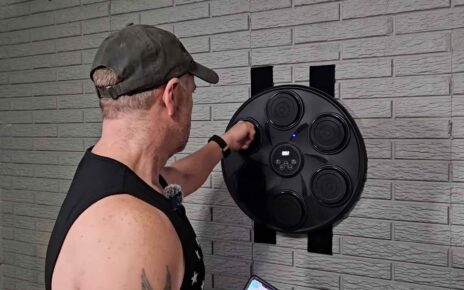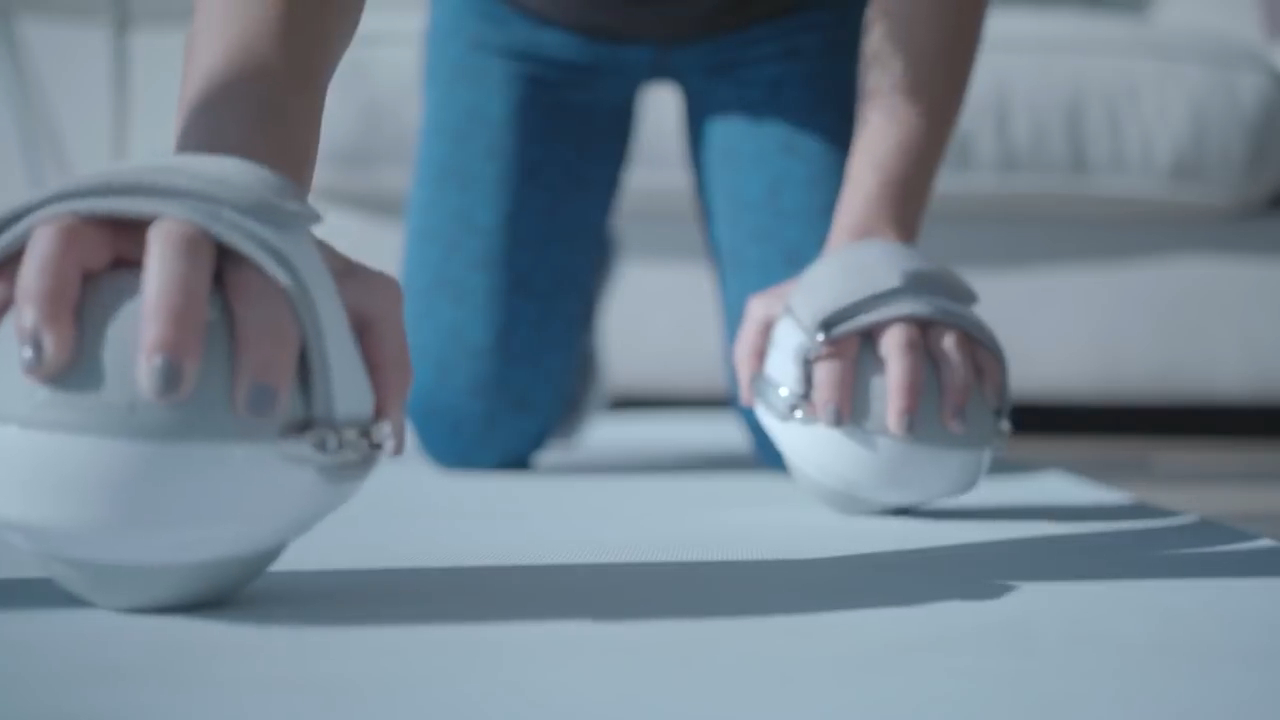
Workout gear and equipment matter because they directly affect how well you move, how consistently you train, and how safely you can push your effort.
The biggest performance difference does not come from buying the most expensive shoes, smartest watch, or most advanced machine. It comes from using gear that fits properly, matches the activity, and helps you train with better technique and better consistency.
Good shoes can improve fit and support for the demands of a workout, resistance tools let you progressively load movements, and simple monitoring tools can help you stay in the right intensity range.
At the same time, the evidence does not support the lazy idea that gear alone prevents injuries or automatically makes someone better. Better performance usually comes from fit, function, and appropriate use, not branding or price.
The Real Reason Gear Matters
A lot of people treat workout gear like decoration. In practice, it is part of the training environment.
If your shoes slide, your shirt traps heat, your mat slips, or your equipment does not let you load a movement correctly, your workout quality drops fast. That affects pace, force production, concentration, and how long you can keep good form.
Over weeks and months, those small drops in workout quality add up. The right setup makes training smoother, more repeatable, and easier to progress. That is what actually improves performance.
This is also why public health and fitness guidance focuses on doing the work consistently, not chasing perfect gear.
Adults are advised to get at least 150 minutes of moderate activity per week or 75 minutes of vigorous activity, plus muscle-strengthening work at least 2 days per week. Equipment matters because it can make those sessions more practical, measurable, and sustainable, especially when it supports both aerobic and resistance training.
Shoes Matter More Than Most People Think
View this post on Instagram
If there is one piece of gear that matters for almost everyone, it is footwear. Shoes affect comfort, traction, stability, and how your foot interacts with the ground. Mayo Clinic guidance on shoe fit recommends about a half inch of space between the longest toe and the front of the shoe, which is a practical reminder that fit is not cosmetic.
Poor fit changes how a session feels from the first minute. It can make running, jumping, walking, and lifting less efficient and more distracting.
The more important point is that the right shoe depends on the task. A soft high-stack running shoe may feel good for distance work, but it is not always ideal for heavy lower-body lifting, where people often want a more stable base.
Cross-training shoes, lifting shoes, court shoes, and running shoes exist for a reason.
Research reviews show that footwear construction affects biomechanics and performance-related movement patterns, but the evidence is more mixed when people claim a shoe type will automatically prevent injuries.
One review found that shoe construction can influence biomechanics and optimize performance, while another found no clear evidence that simply prescribing shoes based on foot type reduces injury risk. That is a useful reality check. Shoes matter, but only when they match the movement and the person wearing them.
Mayo Clinic also notes that regular exercisers should think about replacing walking or running shoes roughly every 250 to 500 miles, or at least twice a year for people who exercise often. That matters because worn shoes lose support and cushioning long before they look ruined from the outside. Performance often drops before people realize their shoes are part of the problem.
Clothing Affects Performance in Quiet but Important Ways
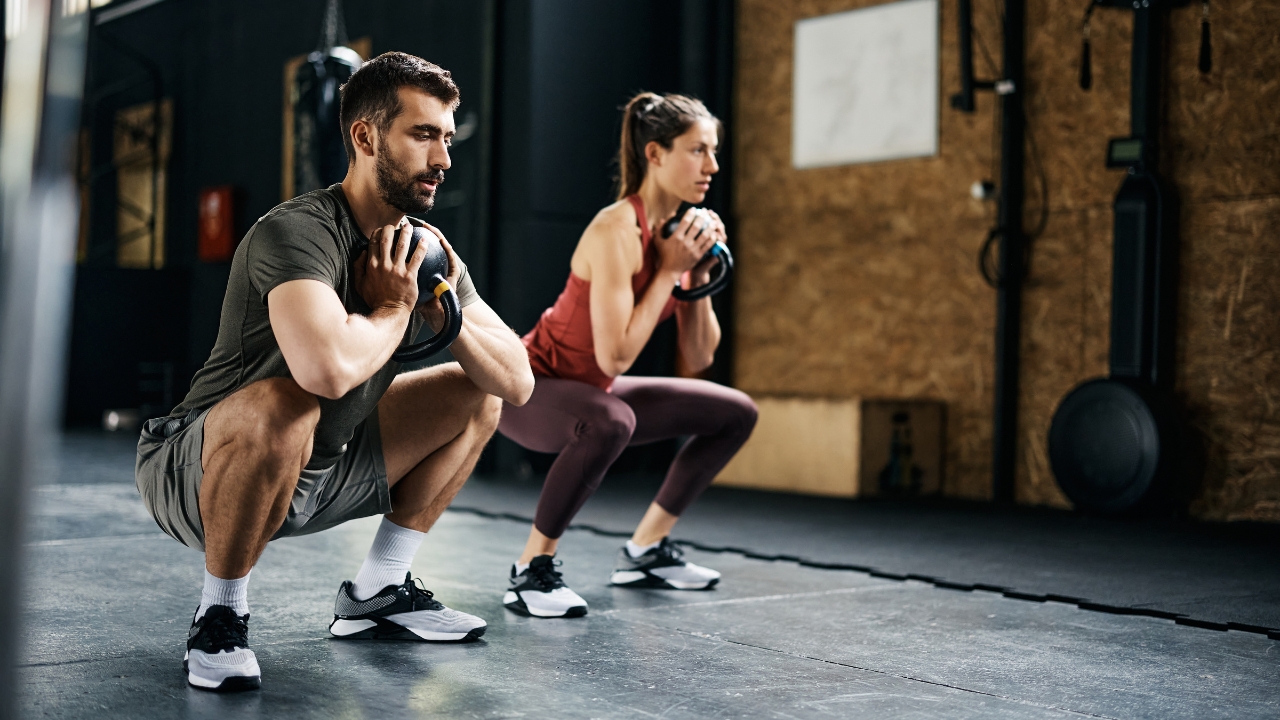
Workout clothing matters less than shoes, but it still affects performance more than many people admit. Good clothing should let you move freely, stay comfortable, and avoid becoming the thing you have to think about during training.
CDC fitness material stresses comfortable clothing for exercise, and practical sports medicine guidance consistently points back to proper gear and proper form together rather than treating them as separate issues. If clothing rides up, restricts motion, traps heat, or causes rubbing, it pulls attention away from the session.
This becomes more obvious in longer or harder workouts. A poorly fitting shirt during an easy 20-minute lift may be only annoying. In a 60-minute run, interval class, or long cycling session, the same problem can become a real performance drain.
Clothing does not need to be expensive to be useful. It needs to fit the movement, the temperature, and the duration of the workout.
Equipment Creates Progress, Not Just Variety
The strongest case for equipment is that it allows progressive overload. If you want better performance, your body needs a training stimulus that gradually increases or changes in a useful way.
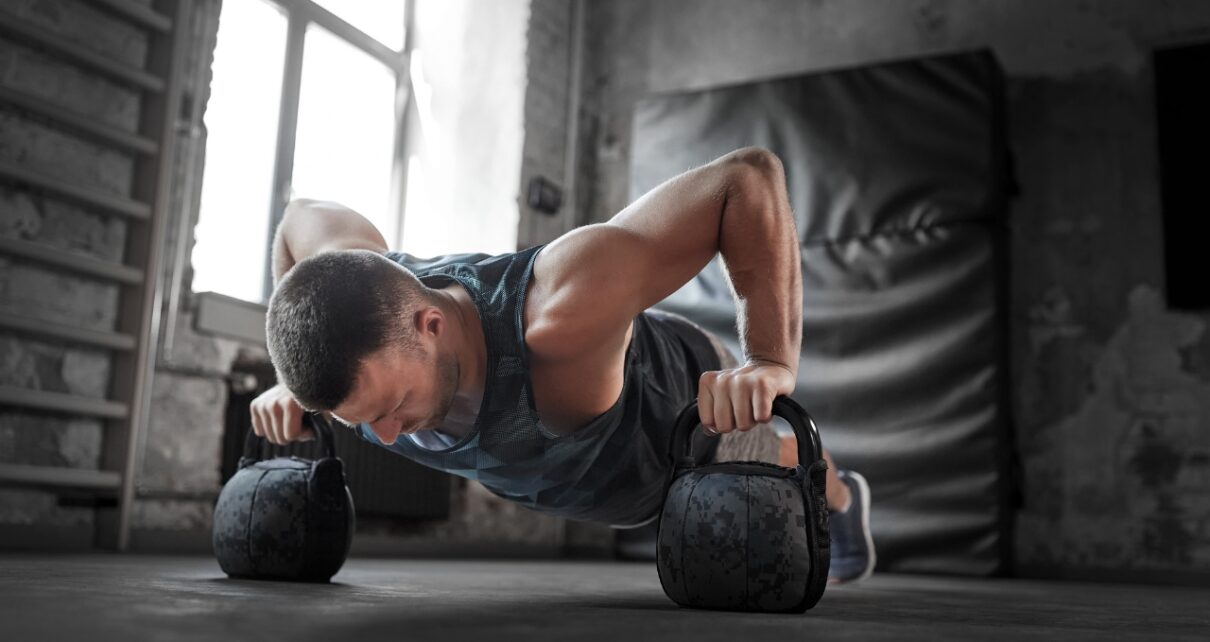
Resistance training literature and current ACSM material both reinforce that continued progress depends on progressive overload, and that effective tools can include machines, free weights, resistance bands, kettlebells, and bodyweight-based setups, depending on the goal.
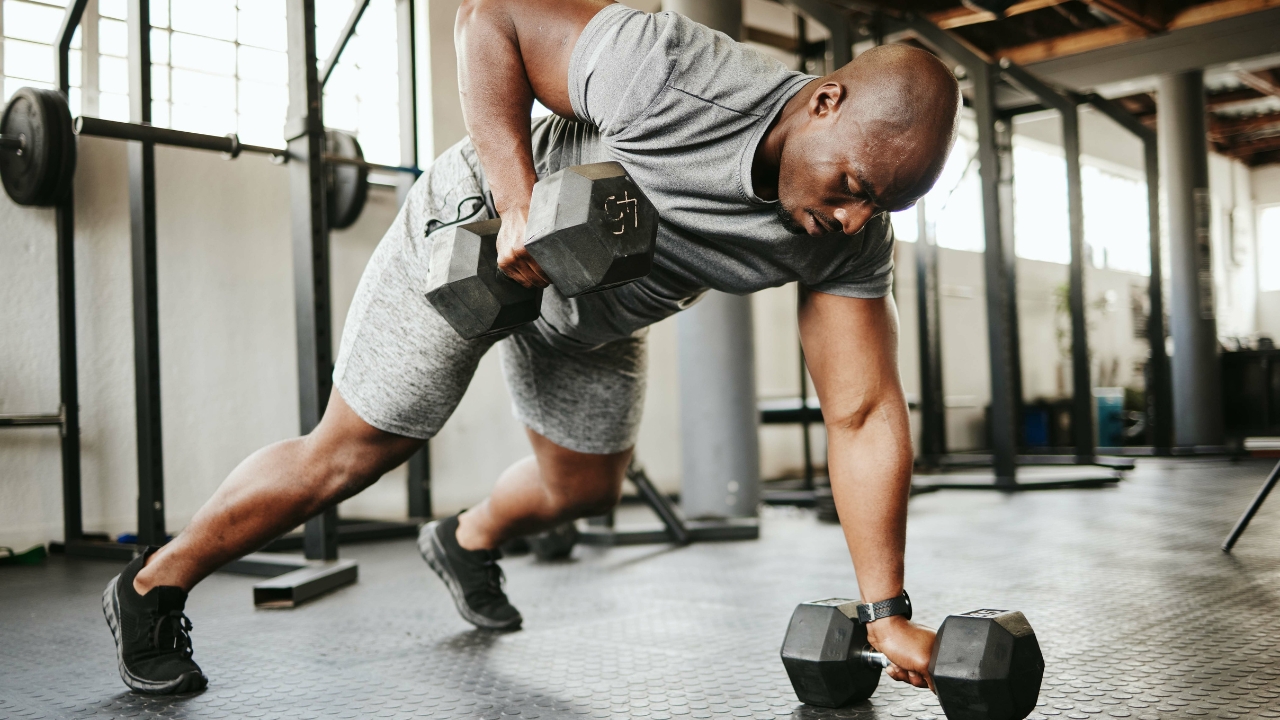
This matters because better performance is not only about effort. It is about having tools that let you repeat a movement, control the load, and improve over time. A pair of adjustable dumbbells, a barbell, a cable machine, or a set of resistance bands can all help someone get stronger if they are used in a structured way.
ACSM even highlights simple home gym tools such as resistance bands, kettlebells, stability balls, and mats because they allow a wide range of strength, mobility, and stability work. That makes equipment valuable not because it looks serious, but because it gives you repeatable training options.
The Right Equipment Also Helps Technique
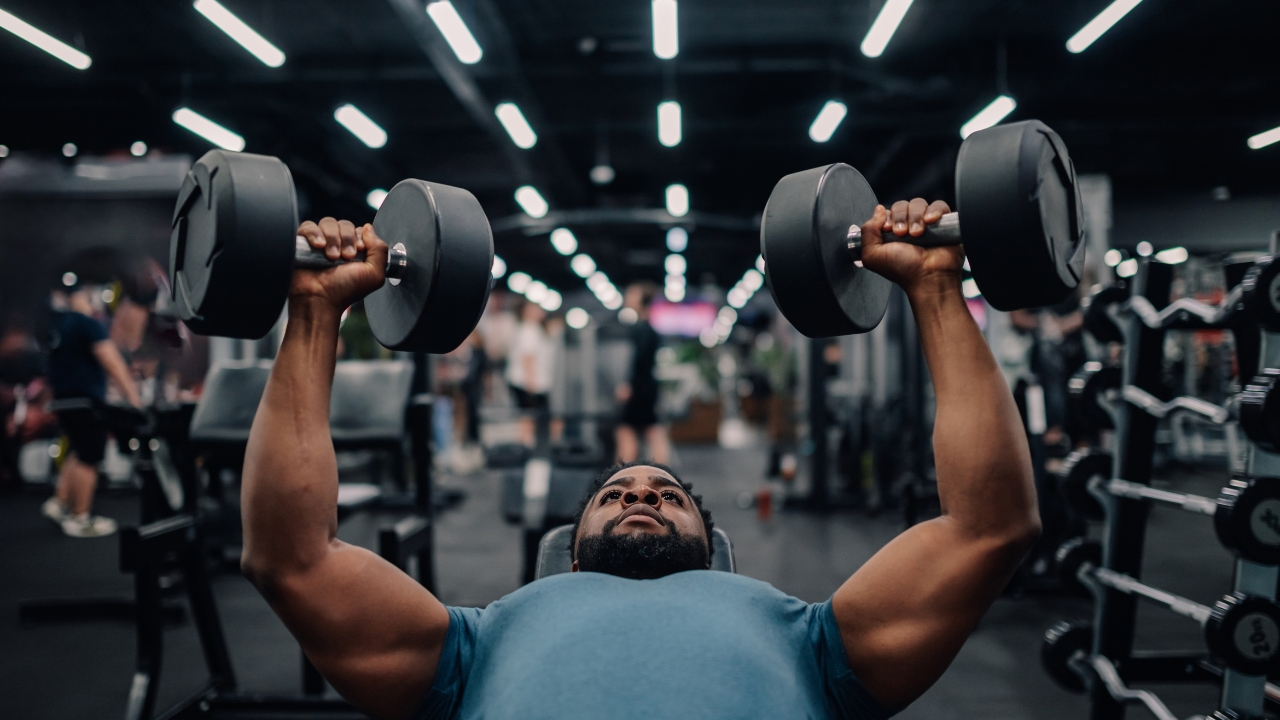
Technique is often discussed as if it exists separately from equipment, but the two are connected. Stable surfaces, manageable loads, and appropriate tools make it easier to learn a movement correctly. Poorly chosen equipment can do the opposite.
A bar that is too heavy, shoes that are too soft for lifting, or a slippery mat can all make good technique harder to maintain. Recent reviews of resistance-training injuries emphasize prevention through proper technique, supervision, education, and sensible progression.
The problem is not that the equipment is dangerous by itself. The problem is using the wrong equipment, the wrong load, or the wrong setup for the person’s current level.
That is also why beginners often do better with simpler equipment first. Machines can help some people learn basic movement patterns with more control. Resistance bands can reduce the intimidation factor and still provide meaningful strength work.
Dumbbells can teach balance and unilateral control. There is no single best tool for everyone. The better tool is the one that lets the person train correctly and consistently.
Wearables and Monitors Can Improve Training Quality
Not every performance tool is something you hold or wear on your feet. Monitors also matter. ACSM notes that using methods to monitor aerobic exercise intensity helps adults achieve activity goals, and Mayo Clinic explains target heart rate zones as a structured way to work at the right level.
That matters because many people do easy workouts too hard and hard workouts too easy. A heart rate monitor, smartwatch, or even a simple pace tracker can improve workout quality by helping you stay in the right zone for the goal of that day.
Research on wearable devices is not perfect, but reviews suggest that wearable tools can support self-monitoring and may improve physical activity in at least the short term. That makes them useful for adherence and pacing, especially for people who need feedback to stay consistent. They are not magic. They are useful because they make effort visible.
What Matters Most by Training Type
Training Type
Gear That Usually Matters Most
Why It Matters
Running or brisk walking
Properly fitted shoes, breathable clothing, optional heart rate monitor
Fit, support, comfort, and pace control matter over repeated impact and longer duration.
Strength training
Stable shoes, appropriate load, dumbbells, barbells, machines, or bands
Stable movement and progressive overload drive strength and muscle gains.
HIIT or circuit training
Cross-training shoes, flexible clothing, timers, or monitors
Fast movement changes require traction, range of motion, and intensity control.
Mobility, yoga, Pilates
Non-slip mat, comfortable clothing, light accessories if needed
The goal is controlled movement, stability, and uninterrupted positioning.
Home workouts
Bands, kettlebells, mat, bodyweight-friendly setup
Effective training does not require a full gym if the tools allow repeatable progression.
Expensive Does Not Mean Better
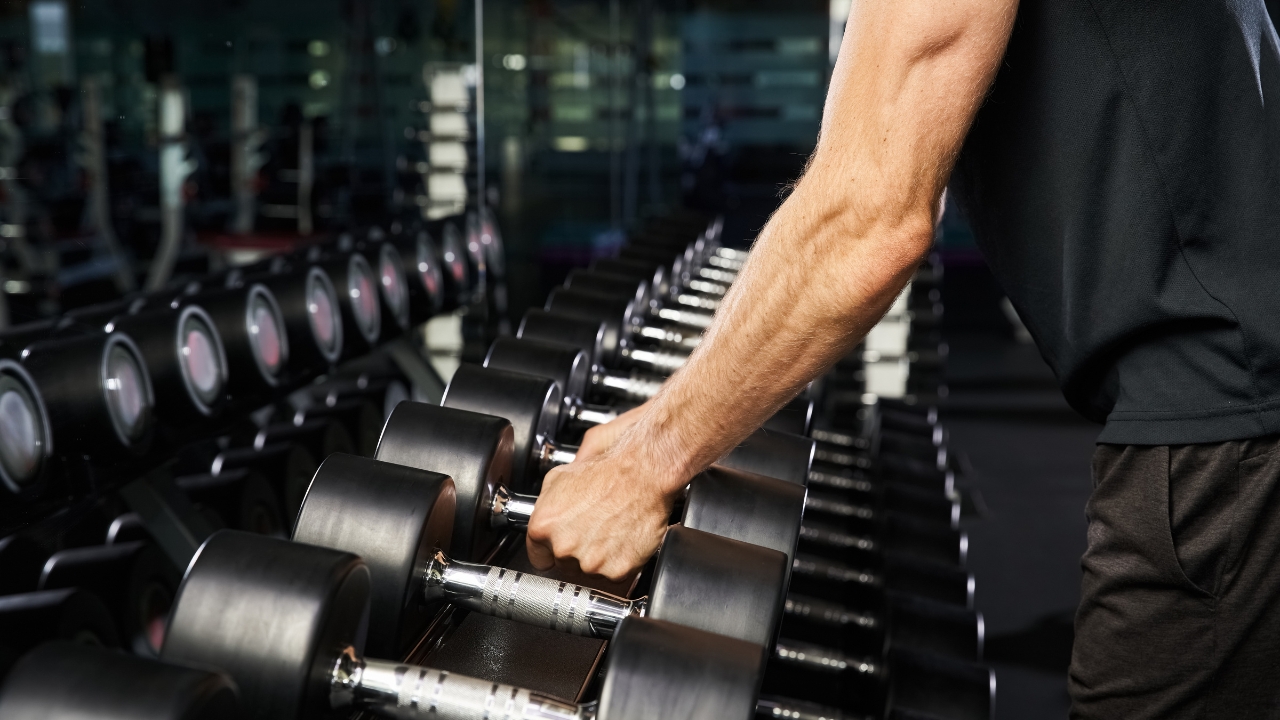
One of the biggest fitness mistakes is confusing premium gear with effective gear. There are cases where better construction genuinely matters, especially in shoes, durable footwear, or equipment that needs to be safe under load. But most performance gains do not come from moving from a decent product to a luxury product.
They come from moving from the inappropriate gear to the appropriate gear. A basic pair of well-fitted training shoes will usually matter more than an expensive shoe in the wrong category. A set of resistance bands used consistently may matter more than an elaborate machine that never gets touched.
This is exactly why ACSM’s practical guidance on home training focuses on simple, versatile tools rather than huge equipment lists. The message is clear: useful gear supports action. Unused gear is just clutter.
The Biggest Mistakes People Make With Gear
A lot of bad training decisions have nothing to do with motivation and everything to do with setup. The most common mistakes are easy to recognize once you know what to watch for.
Mistake
What It Leads To
Better Approach
Wearing the wrong shoe for the workout
Less stability, poorer comfort, faster fatigue
Match the shoe to the activity and prioritize fit.
Keeping worn-out shoes too long
Loss of support and cushioning
Replace running or walking shoes at reasonable mileage intervals.
Buying advanced gear too early
Poor technique and wasted money
Start with simple tools you can actually use well.
Using equipment without progression
Stalled results
Use load, reps, or difficulty changes over time.
Relying on gear instead of form
False confidence
Let gear support training, not replace skill and supervision.
What Actually Improves Performance
The best performing athletes and the most successful regular gym-goers usually do not have one secret item. They have a system that makes training repeatable. Their shoes fit. Their equipment matches the session.
Their loads are appropriate. Their training intensity is monitored well enough to stay purposeful. Their clothing does not get in the way. In other words, their gear reduces friction instead of adding it. That is the real performance advantage.
Final Answer
@augustin_eng Why it actually matters what you wear to the gym? 🤔 1. Performance + Freedom of movement: When you work out, you need to wear clothing that can handle both the movement of your body and the sweat pouring out of you. High quality fabrics allow sweat to easily evaporate from the skin, which in turn keeps you dry. 😮💨 2. Prevent Injury: We all know that why we shouldn’t wear slippers to the gym. 😉 3. Feel good and comfortable: What you wear can have a huge impact on how you’re feeling. The way you feel affects the way you train. The last thing that you want it feeling uncomfortable in outfit that doesn’t fit you well.🥴 3. Boost confidence + Motivation: Clothing can be empowering in everyday life, and when it comes to working out, contributing to our confidence levels and raising self-esteem. There’s even a psychological phenomenon called “enclothed cognition” which suggests that the clothing a person wears can trigger mental changes that positively affect their performance and confidence level. 💪🏻 #gymoutfit #gymoutfitoftheday #gymoutfitideas #gymmotivation #gymrat #workoutmotivation #mensphysique #gymlifestyle #gymaddict #gymtips ♬ I’m a Pimp Named Slickback – Dubskie
Workout gear and equipment matter for better performance because they improve fit, movement quality, progression, and consistency. Shoes matter because they affect comfort, support, and activity-specific movement. Equipment matters because it allows structured overload and better technique.
Monitoring tools matter because they help control effort and training intensity. But better performance does not come from owning more stuff. It comes from using the right gear for the right workout in a way that helps you train well, recover well, and keep showing up.