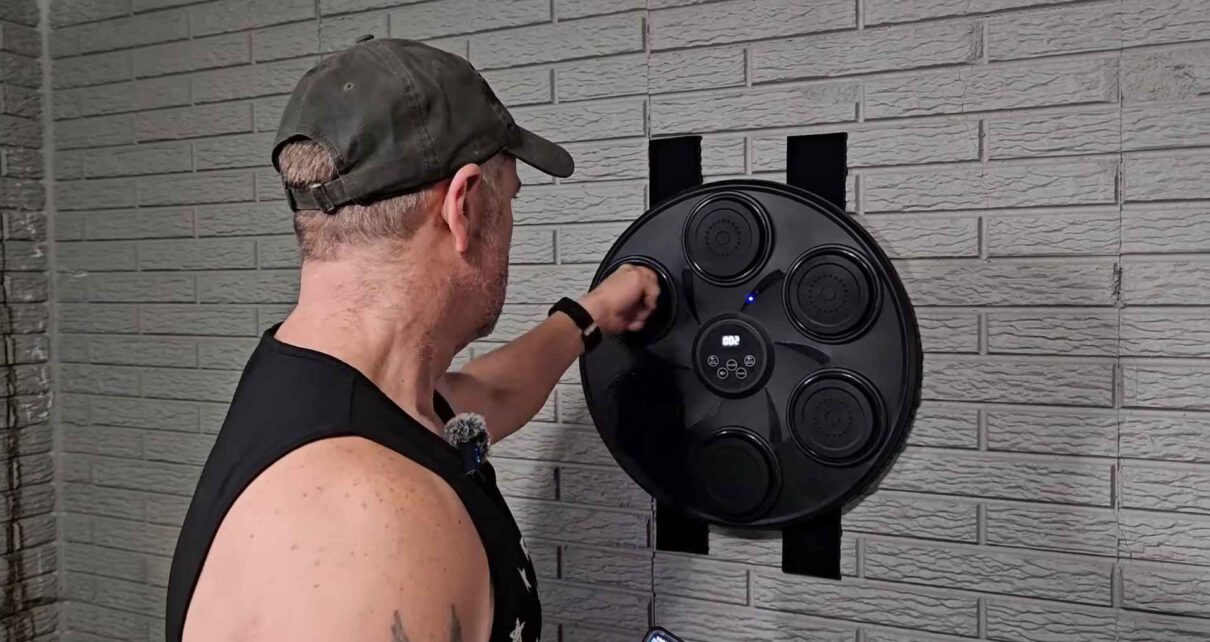
Smart music boxing machines combine rhythm-based interaction, visual cues, and illuminated punch targets to create an interactive workout experience.
Social media platforms like TikTok and YouTube have accelerated popularity by showcasing fast-paced routines and game-like challenges.
Marketing claims often position these machines as tools for both serious training and casual fitness.
The central question focuses on effectiveness for real fighters compared to traditional boxing methods.
Let’s see what the truth is.
What Is a Smart Music Boxing Machine?
Smart music boxing machines represent a modern fitness device built around rhythm-based striking and visual reaction. Design focuses on fast interaction, accessibility, and entertainment rather than traditional combat simulation.
Growing visibility in home gyms and social media workouts has positioned these machines as a hybrid between cardio equipment and interactive gaming.
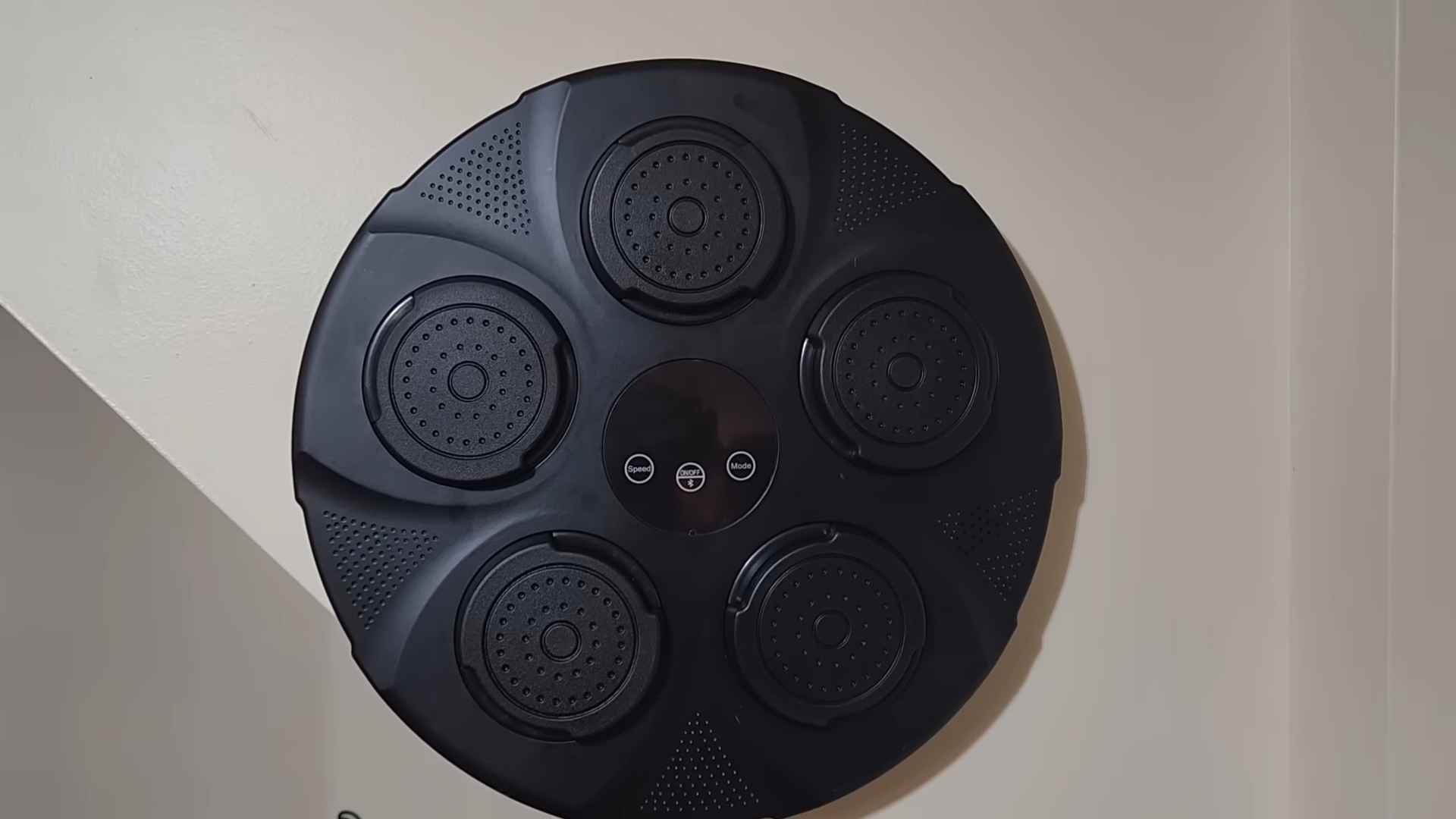
Smart music boxing machines are wall-mounted or portable units equipped with multiple LED punch pads. Pads illuminate in programmed sequences that guide striking patterns. Music Boxer and Lifun Arcade follow a similar construction approach, prioritizing compact size and easy installation.
Lightweight frames and minimal space requirements allow placement in apartments, garages, gyms, or shared workout rooms without specialized flooring or mounts.
Several design elements define how these machines function in daily use, including:
- Multiple soft punch pads arranged in grids or arcs
- LED lighting systems capable of rapid sequence changes
- Shock-absorbing surfaces designed for repetitive strikes
LED pads activate according to rhythm cues synchronized with music. Users react by striking the correct target as fast and accurately as possible, creating a loop of stimulus and response.
- Tempo
- Intensity
- Pacing
Faster music typically results in quicker light sequences and higher punch frequency. Mobile applications track basic performance metrics such as:
- Hit count
- Reaction speed
- Session duration
Certain models lack precise timing calibration or force sensors, which limits the accuracy of measurement and prevents meaningful power assessment.
Core operational elements usually include:
- Music-controlled tempo adjustments
- Visual cue reaction training
- App-based session summaries
Common features include Bluetooth speakers, LED lighting systems, and rechargeable batteries via USB charging.
App integration enables session history review and basic progress visualization. Voice coaching may appear in select models, offering countdown prompts or verbal encouragement during sessions.
Claimed Benefits of Music Boxing Machines
Marketing and user experiences often point toward measurable fitness and coordination benefits. Machine design encourages continuous movement and quick reactions rather than isolated strength output.
Fitness and Conditioning
High-repetition punching sequences elevate heart rate quickly and maintain sustained cardiovascular effort. Sessions often resemble high-intensity interval training without heavy impact stress.
- Approximately 300 to 500 calories are burned per hour
- Elevated heart rate sustained through rapid punch cycles
- Muscular endurance development through continuous arm engagement
Joint stress remains relatively low due to padded targets and a lack of resistance load.
Coordination and Reflexes
Hand-eye coordination improves as users track light cues and respond under time pressure. Rhythm-based sequencing reinforces timing and pattern recognition. Consistent repetition helps improve reaction speed within predictable visual environments.
Motivation and Engagement
Visual stimulation and music synchronization keep workouts engaging and fast-paced. Scoring systems, streak counts, and visual feedback encourage repeat sessions. Users who struggle with consistency in traditional workouts often respond well to short, game-like training formats.
Progress Tracking
- Strike count per session
- Average response time
- Estimated calorie expenditure
Visual summaries support basic goal setting related to activity volume and consistency.
Limitations Compared to Traditional Boxing Training
@boxingmachinesucker What are you waiting for?come on let’s punch with music 🎶🎶🎶🥊🥊🥊#boxingmachine #musicboxing #boxingmachinetrend #musicboxingmachine #boxing #boxing🥊 #boxingfans #boxingsports #boxingday #boxingtraining #fitnessequipment #fitnessequipments #fitnessmachine #fitness #sports #sport ♬ original sound – BoxingSucker💋
Despite benefits for general fitness, smart music boxing machines fall short in areas required for real combat preparation. The training environment remains controlled and predictable, which limits skill transfer.
Machines operate on fixed patterns and pre-programmed sequences. Absence of resistance, counterattacks, or adaptive movement removes unpredictability found in sparring or pad work. Reactive decision-making under pressure receives minimal development due to repetitive cue structures.
Skill Specificity
Footwork, head movement, distance management, and defensive posture are not trained. Stationary positioning restricts full-body integration. Programming rarely adjusts to skill progression, and resistance calibration is largely absent.
Strength and Power Development
Soft pads absorb impact and reduce force demand. Punches do not require full kinetic chain engagement.
- Minimal resistance feedback
- Risk of damaging lower-quality units with heavy strikes
- Lack of force measurement or impact validation
Punch Technique
Form correction is not provided during sessions. Machines do not analyze wrist alignment, elbow positioning, or guard placement. Repetitive striking without feedback can reinforce poor habits rather than improve mechanics.
Who Can Benefit From Them?
Smart music boxing machines provide value when user goals match what the equipment is built to deliver. Intended use centers on movement, rhythm, and engagement rather than technical combat mastery. Several user profiles tend to gain the most practical benefit.
General Fitness Enthusiasts
Casual fitness users often prioritize calorie burn, stress relief, and consistency over technical precision. Smart music boxing machines fit well into that mindset by offering short, high-energy sessions that require minimal setup.
Music-paced sequences reduce perceived effort and make workouts feel less repetitive than standard cardio routines.
Home-friendly size and low noise levels also support frequent use without disrupting shared living spaces.
Beginners and Newcomers to Boxing
New participants often struggle with intimidation, complex technique, or gym culture barriers. Smart music boxing machines remove many of those obstacles by offering guided interaction without direct instruction or judgment.
Light-based cues simplify decision-making and allow beginners to focus on movement rather than form perfection.
- Basic hand-eye coordination improvement
- Familiarity with punch sequencing and rhythm
- Increased comfort using fists in a controlled setting
Repeated exposure builds confidence and prepares newcomers for more structured training if interest grows.
Conditioning Complement
Experienced fighters and trained athletes may still find selective value when machines are used intentionally.
Light sessions can serve as warm-ups before intense training or as recovery tools on lower-load days. Reduced joint impact makes repetitive motion possible without excessive fatigue.
- Warm-up sessions to raise heart rate and loosen shoulders
- Active recovery work on rest days
- Light conditioning without nervous system overload
Supplemental placement alongside heavy bag work, sparring, and technical drills helps avoid overreliance while still capturing conditioning benefits.
@musicboxingmachine.com LINK IN BIO 🥊 Such a great Christmas gift for anyone in the house. Kids, adults, everyone loves it 🎶 #boxingmachine #homeworkouts #boxingfans #musicboxingmachine #boxingtraining ♬ original sound – MusicBoxingMachine.com
The Verdict
Smart music boxing machines perform well for cardiovascular fitness, rhythm development, and workout motivation.
Gamified structure supports consistency and accessibility. Limitations remain clear for combat preparation since power generation, technical precision, and live interaction are not addressed.
Best use case positions these machines as supplemental conditioning tools or beginner fitness devices rather than primary training solutions for real fighters.